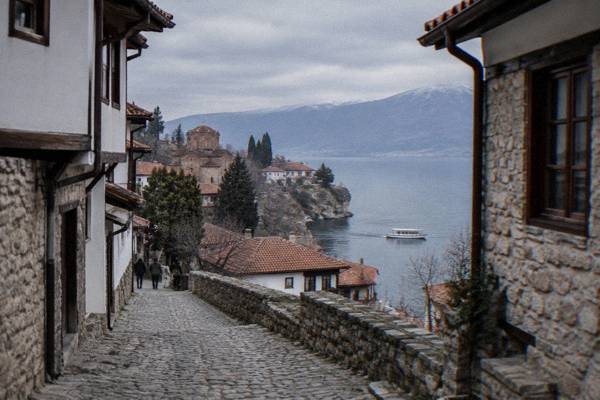
Is Lake Ohrid The Oldest Lake In Europe?
The plain answer to whether Lake Ohrid is the oldest lake in Europe, what UNESCO actually says about the Ohrid region, the lake's endemic wildlife, water temperature and the best months to visit.
Lake Ohrid, the freshwater mountain lake beside the town of Ohrid in North Macedonia, is billed as the oldest lake in Europe and one of the longest-lived lakes anywhere. The description travels with the town: it appears in guidebooks, in hotel marketing and in almost every search result for the destination. This page on the Ohrid Travel Guide separates the billing from the documentation, because the two are not the same thing, and then covers what a visitor can actually check: the UNESCO inscription, the lake's endemic wildlife, its water, and the months when it is warm enough to swim.
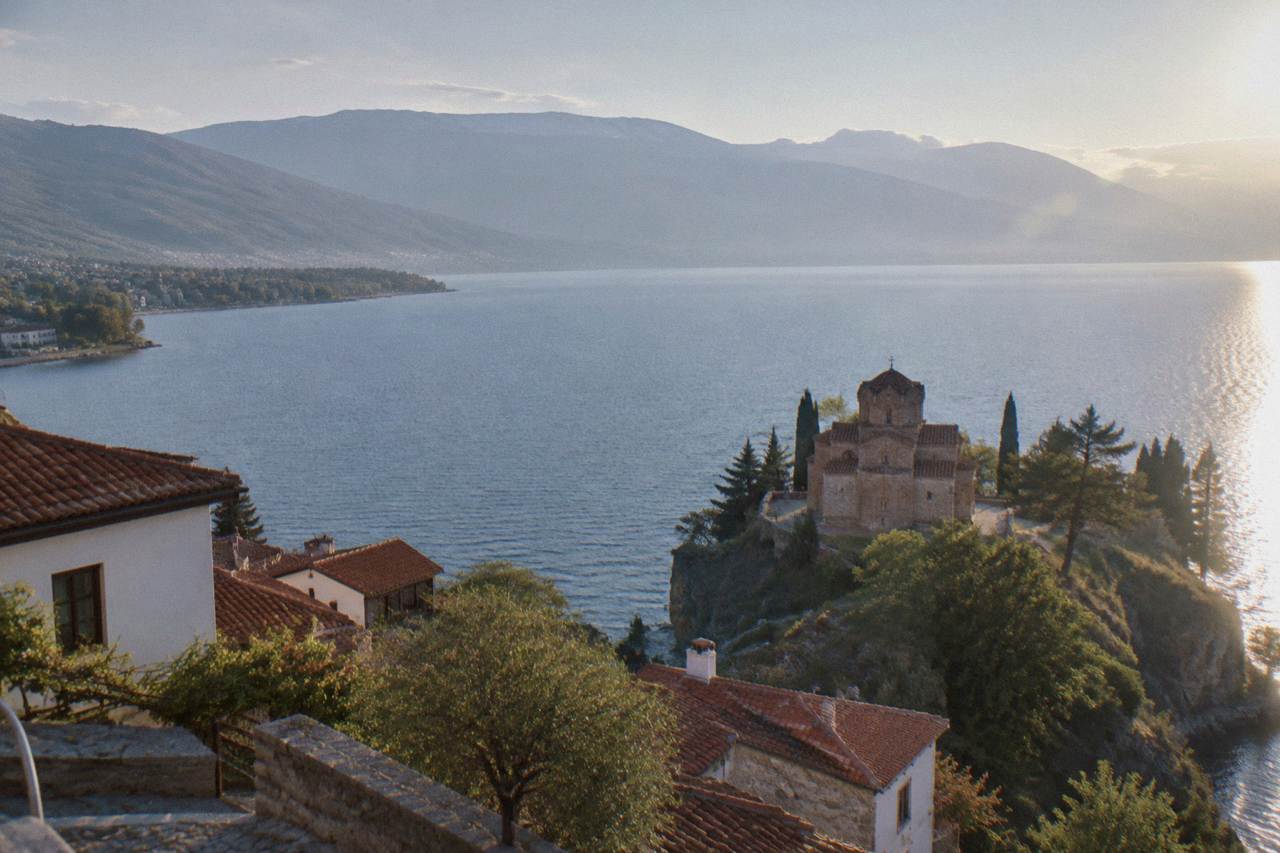
Lake Ohrid is widely described as the oldest lake in Europe, and the description is a billing rather than a checked ranking: no single body adjudicates which lake on the continent is oldest, and comparative age claims between lakes depend on dating methods that this guide does not restate. What is documented is that the Ohrid region is a UNESCO mixed natural and cultural property, inscribed in 1979 and 1980 and extended to the Albanian side in 2019.
That inscription is the solid ground under the town's fame. UNESCO lists the property as the "Natural and Cultural Heritage of the Ohrid Region", covering the lake and the human settlement around it, and it is one of only a small number of mixed properties where nature and culture are recognised together. The cultural side includes Ohrid's Byzantine churches, Samuel's Fortress, the Ancient Theatre and the Old Bazaar; the natural side is the lake itself, shared with Albania.
The age billing matters to visitors for a practical reason: it explains why so much of a small town is given over to churches, monasteries and museums, and why the lake is treated as a biological treasure rather than just a place to swim. The claim travels with the destination, but the itinerary does not depend on it. A full plan is easier to build from the things to do in Ohrid page, and the lake itself has its own Lake Ohrid guide.
What Does The UNESCO Listing Actually Say About The Lake?
The UNESCO listing for the Ohrid region describes the lake as having existed for about two to three million years and highlights its biodiversity: over 200 endemic species, including 17 endemic fish, along with the oldest Slav monastery, St Panteleimon at Plaosnik, and a collection of Byzantine-style icons from the 11th to the 14th century. The site was inscribed twice, once in 1979 for its natural value and once in 1980 for its cultural value, and the property was extended in 2019 to include the Albanian part of the lake.
That is the documented core of the "oldest lake" story. UNESCO's own description is where the age figure comes from, and it is the figure worth quoting when the question comes up, rather than any bolder comparison with other European lakes.
There is a second, newer piece of UNESCO news that trips up many summaries. So the site is inscribed, not inscribed in danger, and that distinction is worth having right.
The town side of the inscription is easy to walk. Plaosnik, the Church of St Sophia, St John at Kaneo and the fortress lanes sit within a short walk of the shore. A good way to take them in at your own pace is the Echoes of Antiquity audio tour, a self-guided walk through the old town: Check availability. Visitors arriving from the capital can also join a full-day group tour from Skopje, which covers the UNESCO core of the town in one organised day.
What Lives In Lake Ohrid?
Lake Ohrid holds one of Europe's richest collections of lake life: UNESCO's listing counts over 200 endemic species in the lake, including 17 endemic fish, which is the density of unique wildlife that gave the lake its natural World Heritage status in the first place. The endemics are species that live in this lake and nowhere else, which is why scientists treat Ohrid as a living laboratory rather than an ordinary mountain lake.
The fish are the part visitors most often meet, at the table if not in the water. Ohrid trout is the local name that appears on menus around the old town, and the story of the trout and its protection is covered on the dedicated what lives in Lake Ohrid page. The lake's bird and plant life along the reed belt is best seen from the water, on a quiet stretch of shore away from the town beaches.
For travellers who want the lake's natural side up close, the practical options are swimming, snorkelling and boat trips along the shoreline. A full lake day that combines the water with the archaeology of the coast is the Bay of Bones and Sv Naum boat tour, which runs from Ohrid along the southern shore with a barbecue lunch included.
Is The Water In Lake Ohrid Clean Enough To Swim In?
Swimming in Lake Ohrid is a normal part of a summer visit: 2026 bathing-water testing reported by the Institute of Public Health found most sampled points in the lake rated excellent on microbiological measures, with Class I physico-chemical results at the sampled locations except one problem point at Grashnica beach. The exception matters, so swimmers should treat Grashnica with caution and favour the tested main swimming beaches.
The details, including what the 2026 tests covered and where the problem points were, are laid out on the is the water in Lake Ohrid clean page. The short version for planning: the lake is a freshwater mountain lake at about 693 m above sea level, its water is cold in spring, and its swimming season is short and centred on high summer.
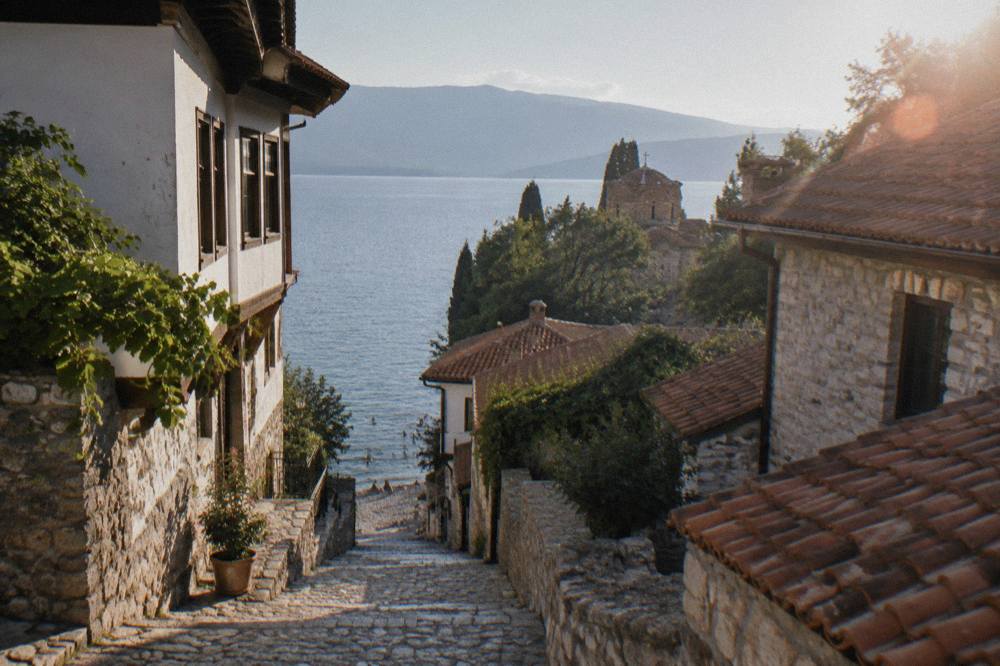
Whether swimming is possible at all, and where, is its own question with its own page: is it possible to swim in Lake Ohrid. The town beach, the eastern-shore villages and the pebble coves south of Ohrid all behave differently across the year.
When Is The Best Time To Visit Lake Ohrid?
The best months for a lake-focused visit to Ohrid are July and August for swimming, when modelled surface water temperatures average about 22.9 and 23.5 degrees respectively, and May, June and September for sightseeing in milder air, with modelled daily highs of 19.5, 24.2 and 22.4 degrees. The ERA5 reanalysis for Ohrid, 1991 to 2020, shows the lowest rain totals occur in July and August and the highest rain totals fall in November and December.
The two tables below carry the numbers a planner actually needs: the modelled air climate for the town, and the modelled lake surface temperatures by month. Both are modelled figures rather than a station record, and they are the right scale for choosing a month, not for forecasting a week.
| Month | Mean Daily High (C) | Mean Daily Low (C) | Rain (mm) |
|---|---|---|---|
| Jan | 5.0 | -0.8 | 76.5 |
| Feb | 6.3 | 0.0 | 74.3 |
| Mar | 10.0 | 2.5 | 80.5 |
| Apr | 14.6 | 6.3 | 82.4 |
| May | 19.5 | 10.8 | 70.8 |
| Jun | 24.2 | 15.2 | 43.1 |
| Jul | 27.1 | 18.3 | 34.7 |
| Aug | 27.6 | 19.0 | 32.9 |
| Sep | 22.4 | 14.9 | 62.4 |
| Oct | 17.4 | 10.3 | 76.0 |
| Nov | 11.5 | 5.3 | 90.4 |
| Dec | 6.2 | 0.9 | 92.6 |
Modelled ERA5 reanalysis climate normals, 1991 to 2020, for the Ohrid grid cell.
| Month | Modelled Lake Surface Temperature (C) |
|---|---|
| Jan | 4.6 |
| Feb | 5.4 |
| Mar | 7.2 |
| Apr | 10.5 |
| Jul | 22.9 |
| Aug | 23.5 |
| Oct | 14.7 |
| Nov | 10.3 |
Modelled aggregator values; the UHMR multi-year October mean for the lake is 14.3 C. The month-by-month detail is on the best time to visit Lake Ohrid page.
The season shapes what runs, too. Boat services along the lake operate mainly from about May to October, with a reduced winter schedule, and the town's beach facilities follow the same rhythm. Planning around that calendar is covered in the Lake Ohrid boats and ferries guide.
How To Build A Trip Around The Lake
A lake trip to Ohrid works in three layers: the old town above the shore, which takes a day on foot; the water itself, by boat, kayak or swims from the town beach; and the southern shore, where the Bay of Bones museum on water and the St Naum monastery at the Crn Drim springs sit close to the Albanian border. The Ohrid in one day itinerary covers the first layer, and longer versions stretch to five days for the rest.
The one-day plan pairs the fortress, Plaosnik and St John at Kaneo with a swim or a short cruise in the afternoon. The five-day plan adds the Bay of Bones, a day on the water, and time on the eastern shore. Visitors with a week can cross into Albania at the St Naum or Tushemisht crossing, which sits about 4 km from St Naum, and see Pogradec on the far side of the same lake.
The age question, in the end, is a doorway rather than a verdict. Whether or not any ranking of Europe's lakes could ever be settled, the billing points at something real: a lake with endemic species found nowhere else, a UNESCO mixed inscription on both shores, and a town whose churches and lanes run down to the water. That combination is what the visit delivers.
Common Questions About Lake Ohrid
Is Lake Ohrid The Oldest Lake In Europe?
Lake Ohrid is regularly described and marketed as the oldest lake in Europe, but that is a description rather than a settled ranking. The documented facts are the UNESCO inscription of the Ohrid region in 1979 and 1980 and the lake's exceptional number of endemic species.
How old is Lake Ohrid?
UNESCO's listing for the Ohrid region describes the lake as having existed for about two to three million years. That figure comes from the inscription's own description of the property.
Is Lake Ohrid a UNESCO World Heritage Site?
Yes. The Natural and Cultural Heritage of the Ohrid Region was inscribed in 1979 for natural value and 1980 for cultural value, and the property was extended to include the Albanian part of the lake in 2019.
Can you swim in Lake Ohrid?
Yes, mainly from July to September, when modelled surface water temperatures are pleasantly warm in July and August. The 2026 bathing tests rated most sampled points excellent, with a problem point at Grashnica beach.
Is Lake Ohrid freshwater or salt water?
Freshwater. Lake Ohrid is an inland mountain lake at about 693 m above sea level, shared between North Macedonia and Albania, with the Crn Drim springs near the St Naum monastery at its southern end.